Community Health Safety Tips For Hantavirus Pulmonary Syndrome (HPS)
Hantavirus is rare but potentially deadly. Knowing how to prevent exposure can save your life. Before you start cleaning your shed, barn or house this season, there are some safety precautions you should take to protect yourself against hantavirus pulmonary syndrome (HPS). HPS is a severe, and sometimes fatal, respiratory disease contracted from rodents.
What is Hantavirus?
Hantaviruses are a group of viruses naturally carried by some rodents. In Canada, they can cause Hantavirus Pulmonary Syndrome (HPS), a rare but serious and potential fatal lung disease.
High-risk activities include:
- Sweeping or disturbing rodent droppings, urine, or nests
- Cleaning a shed, cabin, or outbuilding closed for a long period
- Working in barns or areas where mice may live
Risk in Alberta
The species of hantavirus found in Alberta is not the same species as the Andes hantavirus found on the cruise ship MV Hondius. Unlike the Andes strain, the strain found in Alberta does not spread from person to person.
To reduce the risk of infection from all types of hantavirus, please stay away from rodents, and safely clean and disinfect areas contaminated by rodents.
- Common house mice are not known to carry or spread hantavirus
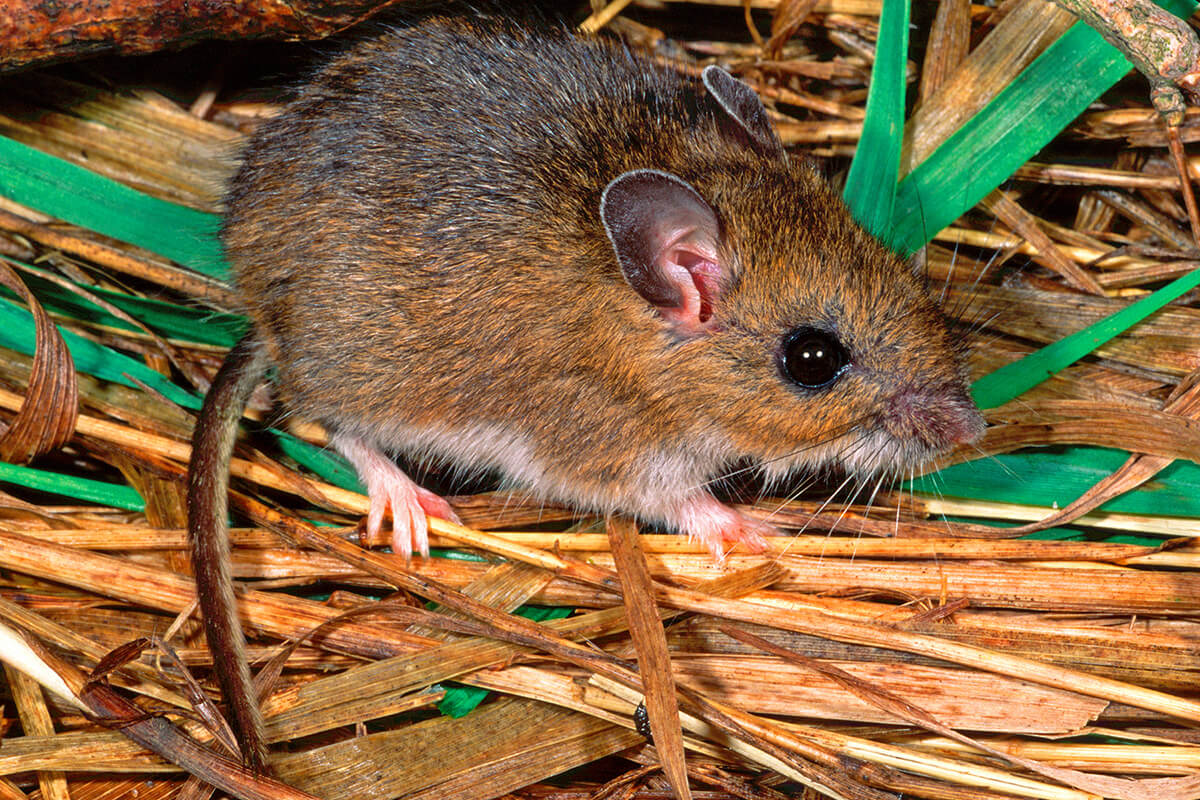
- You cannot tell if a mouse is infected by looking at it, so treat all wild mice as a potential risk
- Dogs and cats cannot be infected and cannot spread HPS to people
How do people get infected?
HPS is contracted by breathing in the virus when infected rodent urine, droppings, or nesting materials are disturbed. Enclosed spaces pose the highest risk. You can also get infected by:
- Touching contaminated materials and then touching your eyes, nose, or mouth
- In very rare cases, from a mouse bite
Symptoms of Hantavirus Pulmonary Syndrome (HPS)
- Fever
- Severe muscle aches
- Fatigue
- Coughing or wheezing
- Sneezing
- Possible headache, dizziness, chills, nausea, vomiting, or stomach pain
After a few days of flu-like symptoms, HPS can rapidly progress to:
- Sudden, severe difficulty breathing
- Fluid in the lungs.
| Note: HPS does NOT typically cause a runny nose, sore throat, or rash. Go to the Emergency Room immediately if you have trouble breathing after potential rodent exposure. |
Keep Rodents Out
- Seal all rodent-sized holes and gaps in buildings
- Keep yards tidy and clear of debris
- Store firewood away from structures
- Use mousetraps
- Store food, water, and garbage in tightly sealed containers
Before You Clean
- Open doors and windows to air out the space
- Leave the area for at least 30 minutes
- Put on rubber gloves
- Wear a N95 mask or equivalent
- Do NOT sweep or vacuum droppings as this will spread the virus
Safe Cleaning Steps
- Spray droppings with disinfectant or bleach solution (1 part bleach: 9 parts water)
- Let soak for 10 minutes
- Wipe with paper towels or a mop then place droppings in a sealed bag
- Wash gloves in disinfectant and hot soapy water before removing
- Wash hands thoroughly after cleaning
- Clean any mops with disinfectant and hot soapy water
Contact BTDH Community Health 403-737-3933 / Source: Public Health Agency of Canada